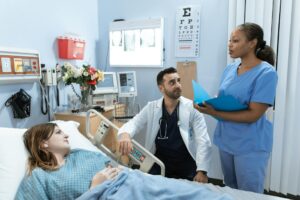
The Departmental House for People with Disabilities (MDPH) plays a key role in supporting people with disabilities. It offers a single point of access for reception and advice, facilitating access to the rights and benefits necessary to improve their quality of life. With a multidisciplinary team, the MDPH assesses individuals’ needs, developing compensation plans tailored to each situation. This structure is essential to ensure the true inclusion of people with disabilities in society.
The Departmental House for People with Disabilities (MDPH) is a crucial pillar in supporting individuals with disabilities in France. It is defined as the single point of access responsible for welcoming, informing, supporting, and advising people with disabilities and their families.
Each MDPH is established at the departmental level, ensuring proximity to beneficiaries. Its main mission is to assess the needs of people with disabilities and to develop a personalized compensation plan aimed at meeting these specific needs.
The MDPH has various missions. The first is to inform people with disabilities and their families about their rights and the existing provisions. This includes financial aid, educational and professional integration measures, and guidance towards appropriate medico-social services.
Regarding the assessment of needs, the MDPH relies on a request file submitted by the person with a disability or their legal representative. This file generally includes a request form, a medical certificate, and other necessary supporting documents to assess the situation.
Once the request is submitted, a multidisciplinary team from the MDPH takes charge of the evaluation. This team consists of various professionals, such as doctors, nurses, psychologists, and social workers. Their role is to gather the necessary information and assess the personal and professional situation of the individual.
After the evaluation, the MDPH develops a personalized compensation plan that may include measures such as the Disabled Adults Allowance (AAH) or disability compensation benefits (PCH). The Departmental House for People with Disabilities is not alone in this task, as it also collaborates with a Commission for the Rights and Autonomy of People with Disabilities (CDAPH), which makes decisions regarding the rights and benefits granted.
It is important to note that the MDPH can also play a preventive role through awareness and information regarding the rights of people with disabilities. It works to change perceptions of disability within society, thereby reducing stigma and promoting inclusion.
As part of its operation, the MDPH also provides access to various e-services. These allow users to submit their files online and track the progress of their requests, thus making the process more efficient and accessible.
In summary, the MDPH is a fundamental actor in the life journey of people with disabilities, offering them an appropriate, accessible, and specialized support structure. It is essential not only for meeting immediate needs but also for promoting the autonomy and integration of people with disabilities into society.
For more information on accessible structures and aids, you can consult additional resources through the following links: learn more about the disability card, the CDAPH, and the allowance for disabled adults.

FAQ about the MDPH
What is the role of the MDPH? The MDPH supports people with disabilities in all areas of their lives, regardless of their age and situation, providing them with information, support, and advice.
What missions does the MDPH fulfill? The missions of the MDPH include reception, needs assessment, development of compensation plans, allocation of benefits, and follow-up on decisions.
How does the evaluation process work? When a request is submitted, a multidisciplinary team assesses the needs of the person with a disability to develop proposals to be submitted to the Commission for Rights and Autonomy.
Who makes up the multidisciplinary team? The team is composed of professionals from diverse training backgrounds: doctors, nurses, occupational therapists, psychologists, and social workers, who work together to assess the situations of individuals.
What is the CDAPH? The Commission for the Rights and Autonomy of People with Disabilities (CDAPH) makes decisions regarding the rights of people with disabilities, such as benefits, aid, and guidance.
How can I submit a request to the MDPH? A request must be submitted via a file including a completed form and a medical certificate, which can be submitted directly to the MDPH in one’s department.
Is it possible to appeal decisions made by the CDAPH? Yes, decisions made by the CDAPH can be contested by appeal if the individuals are not satisfied with the allocation of aids or services.